Cakes
Chocolate Cake
A classic dessert known for its rich chocolate flavor and soft, indulgent texture, often finished with frosting or a glossy glaze.
Learn More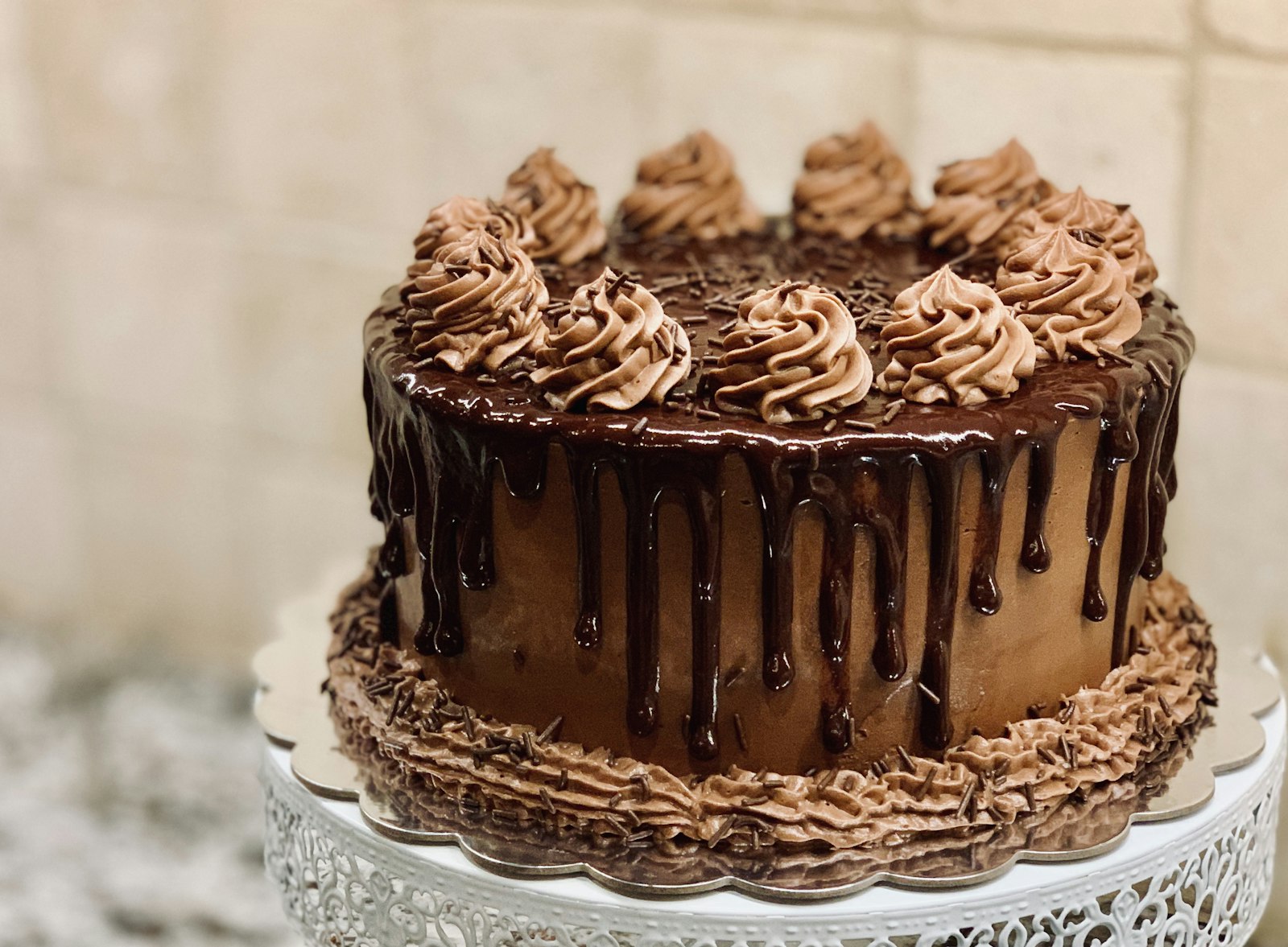
Discover beautiful cakes delicate pastries sweet inspiration
Discover Sweet Elegance, a patisserie-inspired destination celebrating beautiful cakes, delicate pastries and the timeless pleasure of exceptional desserts.
Sweet Elegance celebrates the beauty of confectionery through inspiring cakes, delicate pastries and a thoughtful appreciation for dessert artistry. The website is a place to look closely at flavor, texture, decoration and the quiet pleasure of a well-composed sweet.
You can explore cake styles, pastry traditions and the ideas behind elegant presentation. These pages are written as a guide to the world of desserts.
Start with Our Cakes, browse the dessert collection, or read our story to see how the site is organized.
Cakes
Pastries
Patisserie art
A few places to begin. Each card opens a page about a style of dessert. The notes describe familiar kinds of sweets, not a list of items confirmed for sale.
Cakes
A classic dessert known for its rich chocolate flavor and soft, indulgent texture, often finished with frosting or a glossy glaze.
Learn MoreCakes
A creamy dessert traditionally prepared with a smooth cheese-based filling and a delicate crust, baked or set according to the style.
Learn MorePastries
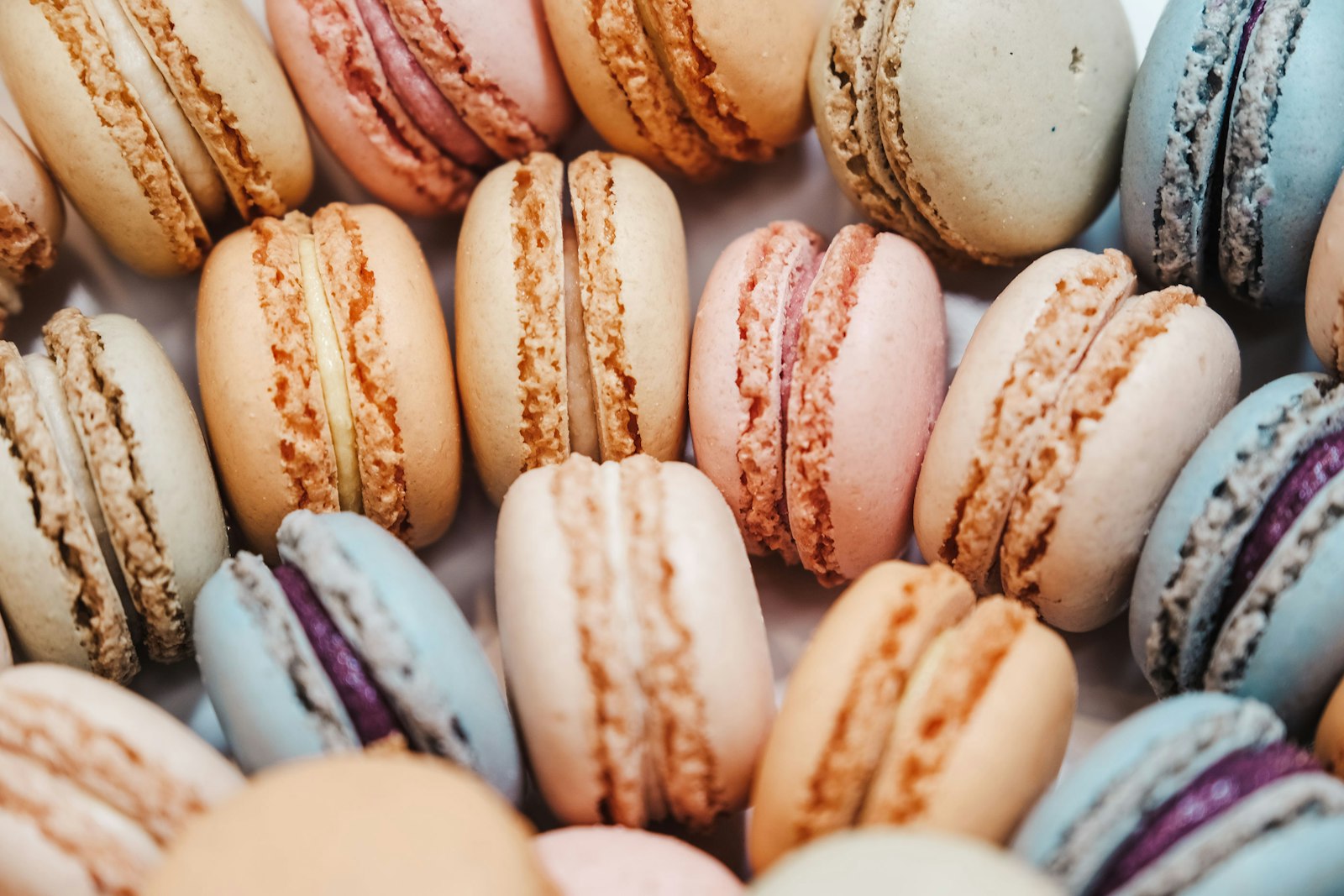
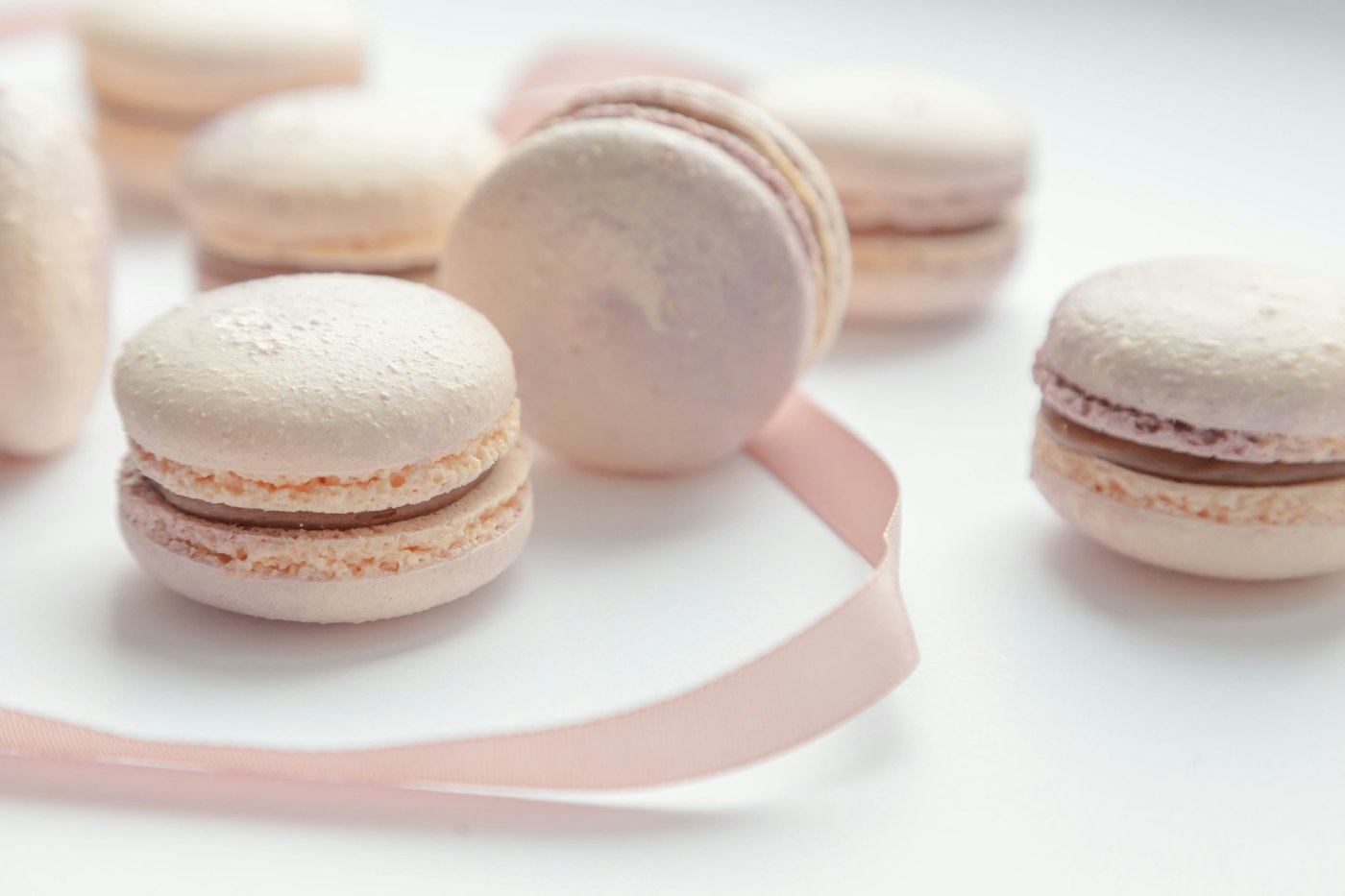
Delicate French-inspired sandwich cookies recognized for their colorful shells and soft fillings.
Learn MorePastries
A classic pastry made with choux dough and traditionally filled with cream, often finished with a smooth topping.
Learn MoreTarts
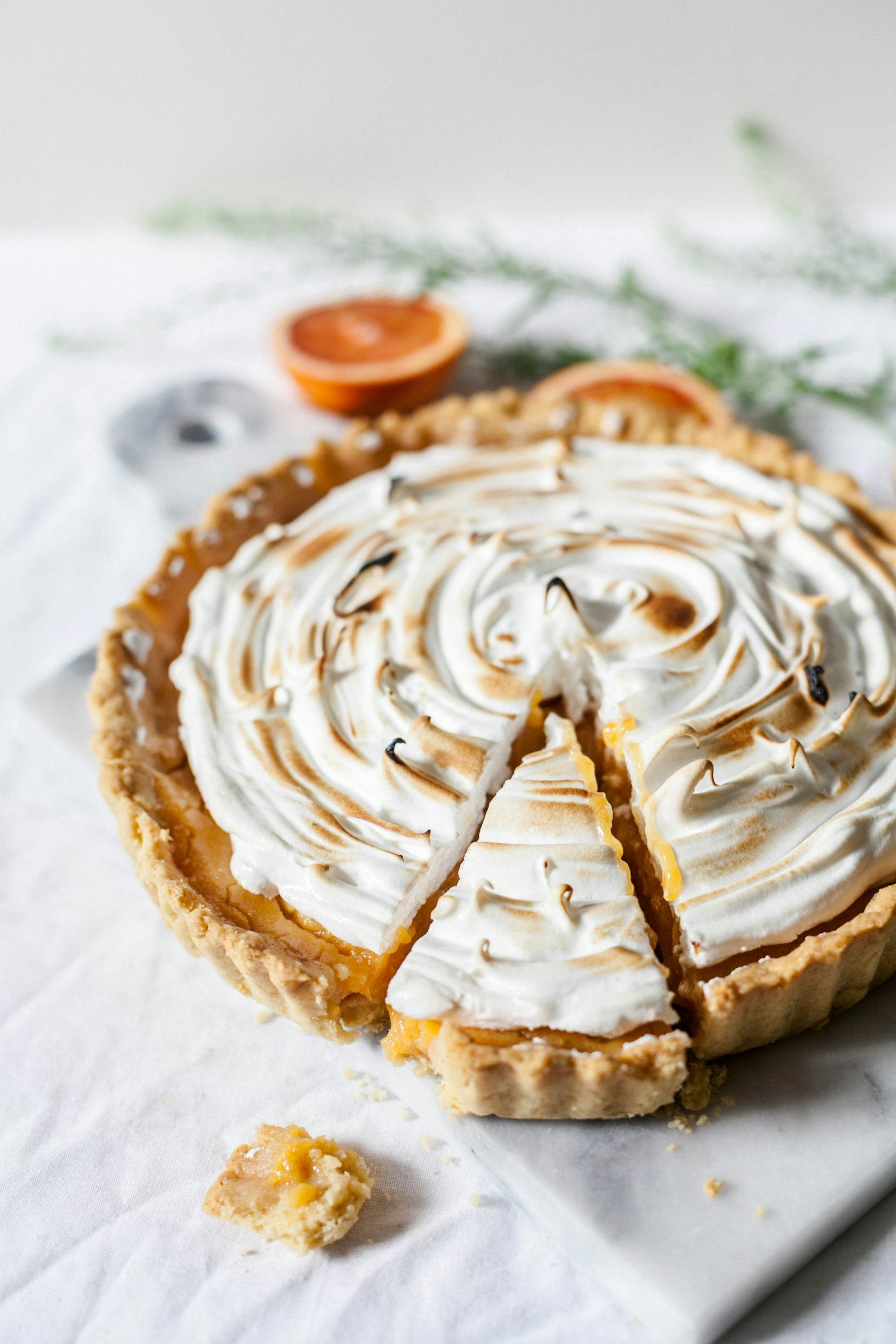
A pastry dessert featuring a crisp base, smooth filling and decorative fruit or citrus topping.
Learn MoreSmall cakes
A small individual cake often finished with frosting or decorative toppings, easy to share at a table.
Learn MoreLayers
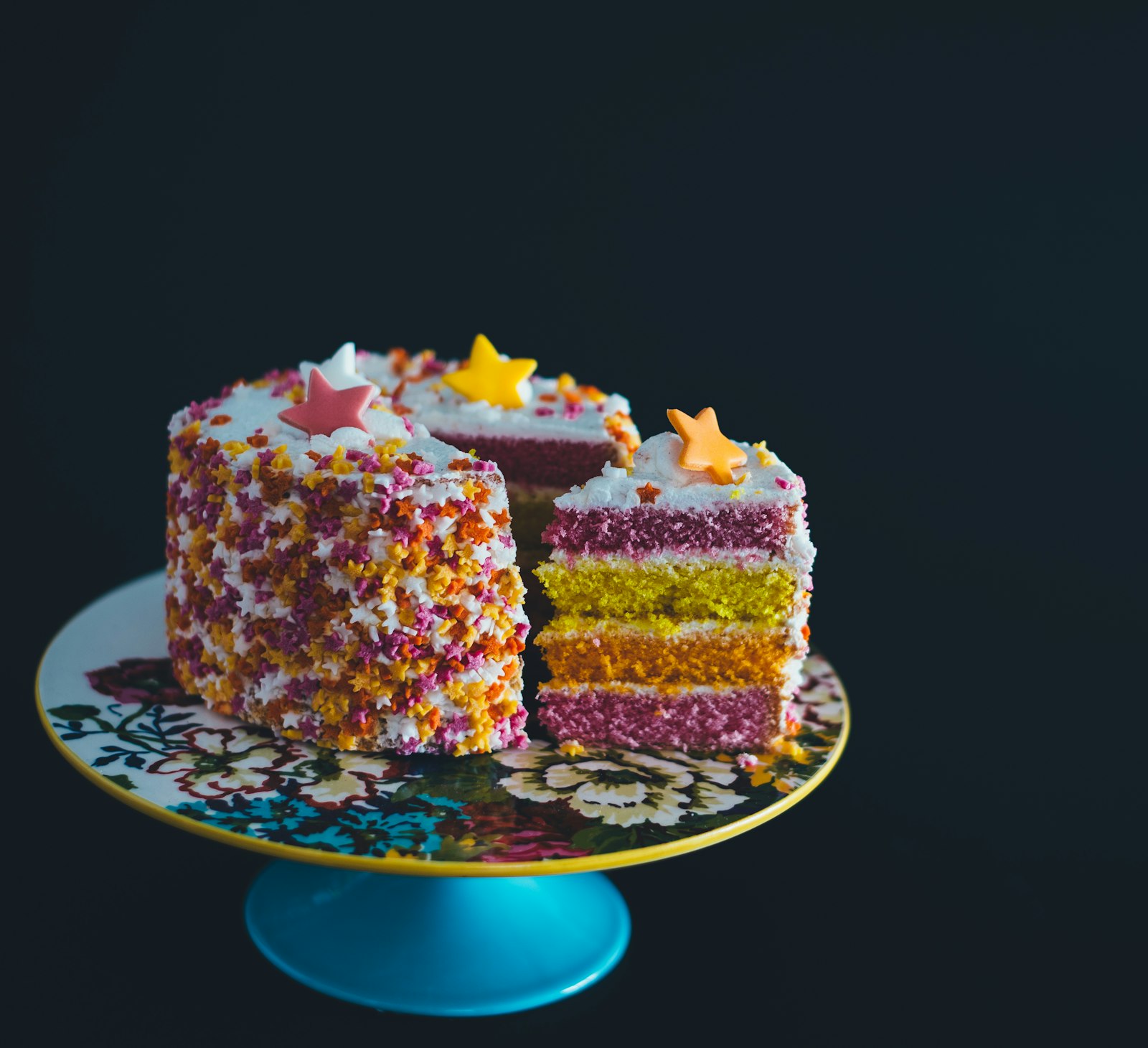
Stacked sponge or butter cake with filling between the layers, a format that invites careful decoration.
Learn MoreMoments
Ideas for how cakes are styled for birthdays and gatherings, offered as inspiration rather than a booking service.
Discover MoreA memorable sweet usually balances richness with something brighter: citrus, fruit, salt, coffee or a gentle bitterness from dark chocolate. The contrast keeps a dessert from tasting flat.
Crisp pastry beside a smooth cream, a tender crumb beside a glossy glaze, or a delicate shell beside a soft filling. Texture is as much a part of patisserie as flavor.
Piping, fruit, glaze and a few well-placed details can frame a cake without hiding it. Elegant decoration usually supports the dessert rather than covering every surface.
A simple plate, a clean slice and a little space around the dessert change how it is seen. Presentation is part of the pleasure, even for an everyday sweet.
Fruit desserts feel natural in warm months. Chocolate and spice often suit cooler ones. Celebration cakes borrow color and height to mark a gathering. These are traditions, not a promise of a particular cake.
Cakes are often cut and passed around a table. That shared first slice is part of why desserts belong to birthdays, quiet afternoons and ordinary good news.
The cake collection walks through familiar styles: classic butter cakes, chocolate cakes, layered creations, fruit-topped cakes and the look of celebration cakes. Each note explains what the style is known for, so you can browse with context.
Nothing on that page is presented as a current product range. If you want a shorter overview, begin with Our Cakes. If you want the longer reading path, open the collection.
View the cake collection or visit the dessert gallery for photographs.
A simple path through the site
Discover Sweet Elegance
Explore cakes and pastries
Read about patisserie art
Send a general inquiry
A fine, even crumb usually means a tender cake. A more open crumb can feel lighter. Both have a place, depending on the style.
Buttercream, glaze, ganache and whipped cream each catch the light differently. The finish tells you how the cake is meant to be tasted.
In a layer cake, filling, sponge and frosting should be readable in one bite. Too much of one element can hide the others.
Choux, shortcrust and laminated dough behave differently. An éclair, a tart and a croissant are related only by the care they ask for.
Desserts are often brief. The point of the site is to slow down and notice them: the color, the cut surface, the way a filling sits.
Everyday sweetness
A slice of cake or a small pastry can mark an ordinary afternoon. Sweet Elegance treats those quiet moments with the same care as a celebration.
Shared tables
Cakes are made to be divided. The joy of sharing is part of why a whole cake still feels different from a single sweet.
Color and finish
Macarons, glazed fruit and soft frostings show how color can be part of flavor, not only decoration.
Fruit and cream
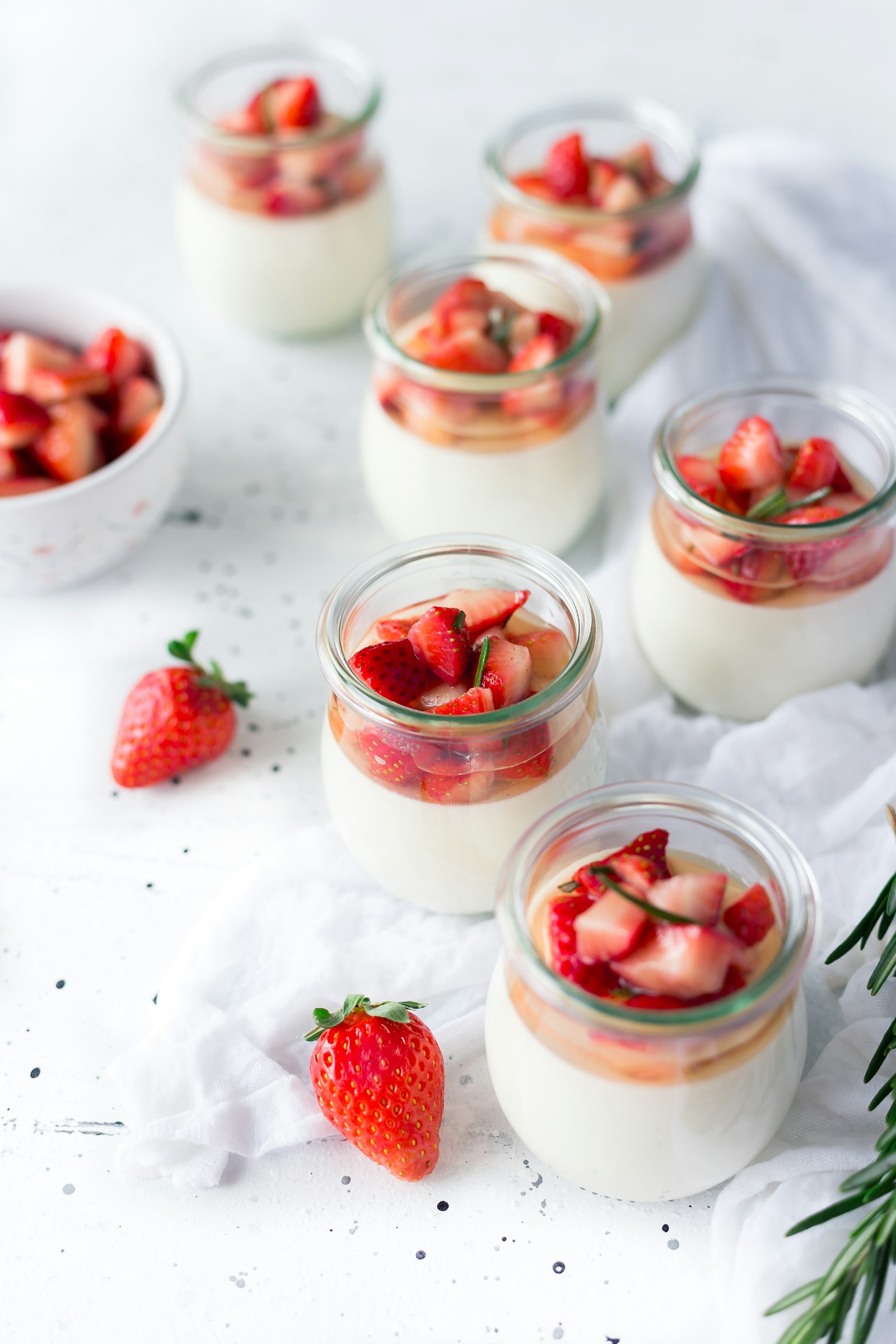
Berries, citrus and soft creams bring freshness to richer desserts and keep a sweet from feeling heavy.
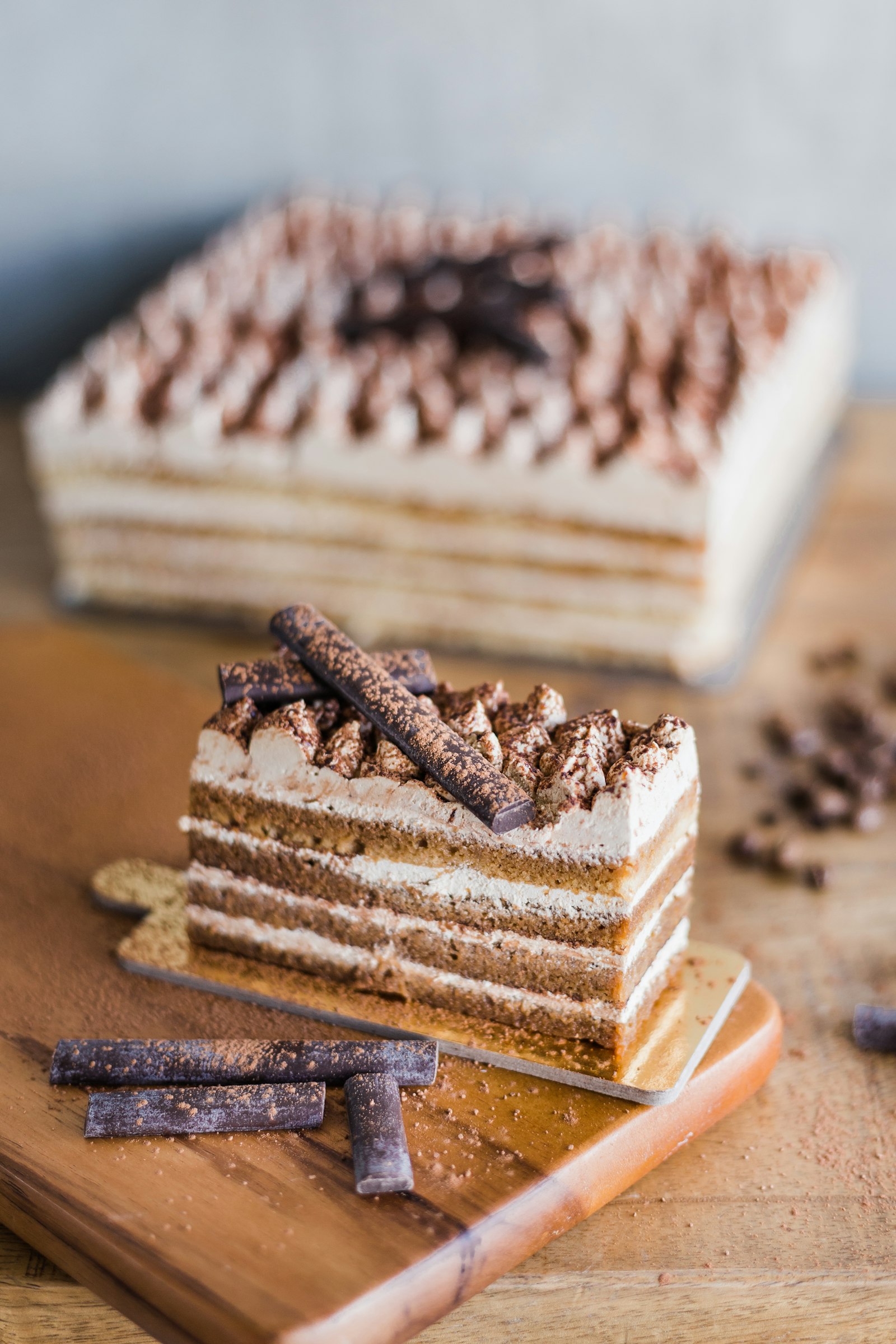
Patisserie is the craft of pastry and sweet baking: laminated doughs, choux, tart shells, creams, glazes and the decoration that finishes a plate. It is as much about proportion and temperature as it is about appearance.
The Patisserie Art page explains those ideas in plain language. Baking Inspiration looks at habits that help home bakers notice technique, without claiming a house recipe or a training course.
The site is built around attention. It gathers cake styles, pastry notes and a gallery in one calm place. If you have a question, the contact page explains how to write to the patisserie.
Sweet Elegance is a patisserie-inspired website dedicated to the art of cakes, pastries and desserts. Visitors can explore sweet creations, discover dessert inspiration and learn more about the world of confectionery.
The project does not publish a founding year or a list of staff, because those details have not been provided. What you will find is careful writing about dessert styles, plus a published way to get in touch: 637 Veerasamy Rd, #01-121, Singapore 200637, +65 9323 9161, and [email protected]. Opening hours are not listed. Please call or email before you visit.
Sweet Elegance is a patisserie-inspired website about cakes, pastries and dessert craftsmanship. It is the home of the Sweet Elegance patisserie.
Call +65 9323 9161, email [email protected], or use the form. The address is 637 Veerasamy Rd, #01-121, Singapore 200637.
The gallery collects photographs of cakes, pastries and dessert finishes.
Use this form to email a question about the website or its dessert writing. It opens a draft to [email protected] in your email app. The message is sent only if you send that draft. You can also call +65 9323 9161 or visit 637 Veerasamy Rd, #01-121, Singapore 200637. Opening hours are not published. Please do not include passwords or payment details.
Your email app should open a draft to [email protected]. The message is sent only if you send that draft yourself.
Sweet Elegance is a patisserie and cake shop with a website built for reading as much as for finding a way to get in touch. The pages walk through cake styles, pastry styles, decoration and the small decisions that make a dessert feel finished. They are written in plain English so a visitor can browse without a pastry vocabulary.
Start wherever your interest sits. If you want the broad map, stay on this page and follow the cards. If you already know you care about chocolate, layers or cheesecake, open Our Cakes. If you want choux, tarts, macarons, cookies or croissants, open Pastries. The dessert collection lets you search those notes in one place. Nothing in the collection is a checkout.
A frosted chocolate cake, a row of macarons or a citrus tart sits beside the writing so each style is easy to picture.
You can reach Sweet Elegance at 637 Veerasamy Rd, #01-121, Singapore 200637, by phone on +65 9323 9161, or by email at [email protected]. Opening hours are not printed, because a guessed timetable would be worse than none. Call or write before you plan a visit around a particular time.
A button that says "Learn more" opens another page. The inquiry form opens an email draft to the address above. Sweet Elegance receives it after you send the draft from your own email app.
If you are comparing dessert styles rather than planning a visit, you can ignore the contact details and keep reading. The cake notes, the pastry notes and the gallery stand on their own. The FAQ answers the questions that come up most often, including why prices are absent and how the form works.
When a cake is cut, the cross-section tells you more than the outside. Look for an even crumb, a filling that stays where it was spread, and a frosting that is thick enough to taste but not so thick that it is the only thing you taste. A pastry asks for a different look: whether the layers separated, whether the shell stayed crisp, whether the fruit still looks fresh.
Those observations are the habit this site is trying to share. They apply in a shop, at a home table, or in a photograph. They do not require a recipe from Sweet Elegance, and the site does not publish one. If you bake, use a method you already trust and treat these pages as a way to notice the result.
Celebration cakes, birthday colors and tall layers are discussed as ideas, not as a booking calendar. If you need to ask a question the pages do not answer, use the phone, the email address or the form. Please do not send payment card numbers. There is nowhere on the site for them to go.
A useful visit to the site has a simple shape. Read one cake page and one pastry page, look at the gallery if you want the pictures, then decide whether you still have a question. Many visitors will not. The articles are meant to be complete enough to stand without a phone call. The phone number and the email address are there for the questions that are specific: a visit, a correction, a privacy request, or something the general notes refuse to guess.
Sweet Elegance will keep the pages in English, will keep prices off the screen, and will keep the same address in the footer and on the contact page. If those promises and the text in front of you ever disagree, trust the contact page and the privacy policy, and write to [email protected] so the disagreement can be fixed. That is the standard the site is willing to be read by, including by anyone checking that the business behind an advertisement is the business described here.
A butter cake begins with fat and sugar worked together until the mixture looks pale and soft. Eggs go in gradually so the batter stays smooth, then flour is folded through with a light hand. The result is a fine crumb that slices without crumbling into dust. Vanilla, citrus zest or a spoon of cocoa can lead the flavor, and the cake still tastes like cake rather than like a perfume of extracts. Frosting is a choice. A thin glaze lets the crumb stay in front. A thicker buttercream turns the same cake into something you cut for a table of people.
A sponge takes another road. Eggs and sugar are whipped until they hold a ribbon, and flour is added with very little fat. The cake rises tall and feels lighter, and it often wants a syrup or a cream because the crumb is drier on its own. Genoise, chiffon and a simple whisked sponge are cousins, not copies. One is sturdier. One is softer. One drinks up a soak and becomes tender where it would otherwise taste dry. Knowing the difference makes a slice easier to enjoy, because you taste what the baker intended instead of wishing the cake were something else.
Chocolate changes both of those paths. Cocoa powder brings a dry, deep note and asks for enough liquid in the batter to keep the crumb kind. Melted chocolate brings fat as well as flavor, so the cake tastes rounder and the texture moves toward fudge. Ganache, poured while warm and left to settle, gives a gloss that buttercream does not. A chocolate cake can be quiet, with a cocoa dusting and a clean cut face, or it can be dressed with rosettes. The dressing is the last decision. The batter is the one you taste in the middle of the bite.
Cheesecake stands apart because the body of the dessert is not a flour batter at all. A cheese filling is closer to a custard. Baked slowly, it sets from the edges inward and the center keeps a slight tremble when it comes out of the oven. Chilled versions set with time in the refrigerator and taste lighter, though "light" is relative for a dessert built on cheese and cream. The crust may be crumbs pressed into a tin or a thin sweet pastry. Fruit on top is common because the filling is rich and a bright note keeps the last bite from feeling heavy.
Fruit works in more than one way. Berries on a cream surface bring color and acidity in the same bite. Citrus, as zest in a batter or as curd between layers, sharpens butter and sugar. Cooked fruit folded into a cream is softer and deeper than fruit left raw. Dried fruit inside a loaf is a different tradition again: darker, spicier, meant to be sliced thin and kept. When a page on this site says fruit cake, it helps to picture which of those you mean. A berry layer and a dense holiday loaf share a word and almost nothing else on the plate.
Cream itself has moods. Whipped cream is soft and disappears quickly. Pastry cream holds its shape and tastes of milk and vanilla. Buttercream is sweet and can be tinted or piped. Ganache is chocolate first and cream second. A dessert that uses two of them, such as a tart with pastry cream and a cloud of whipped cream at the edge, needs the crisp shell to stay crisp. That is why patisserie pays so much attention to cooling. A warm base softens under a wet filling, and the whole tart slumps even if every part tasted right on its own.
Laminated dough is the craft behind a croissant. Butter is locked into dough, the packet is folded and rolled, and the layers multiply. In the oven, water in the butter becomes steam and pushes the sheets apart. You see the layers at the torn edge and you taste toasted butter. The same dough can wrap a bar of chocolate or a sausage of almond cream. The shape changes. The idea does not. Keep the dough cold while you work and the layers survive. Let it warm into a paste and the pastry bakes as one flat piece.
Choux is cooked on the stove before it ever sees the oven. Flour meets boiling water and butter, eggs follow, and the paste is piped. Heat makes it puff and leaves a hollow. That hollow is the whole point of an éclair: cream inside, a smooth topping outside, an oblong shape you can pick up. A round of the same dough, split and filled, is a cream puff. The dough is one technique. The silhouette is the choice. A good shell is dry enough inside that the cream does not turn it wet within the first minutes.
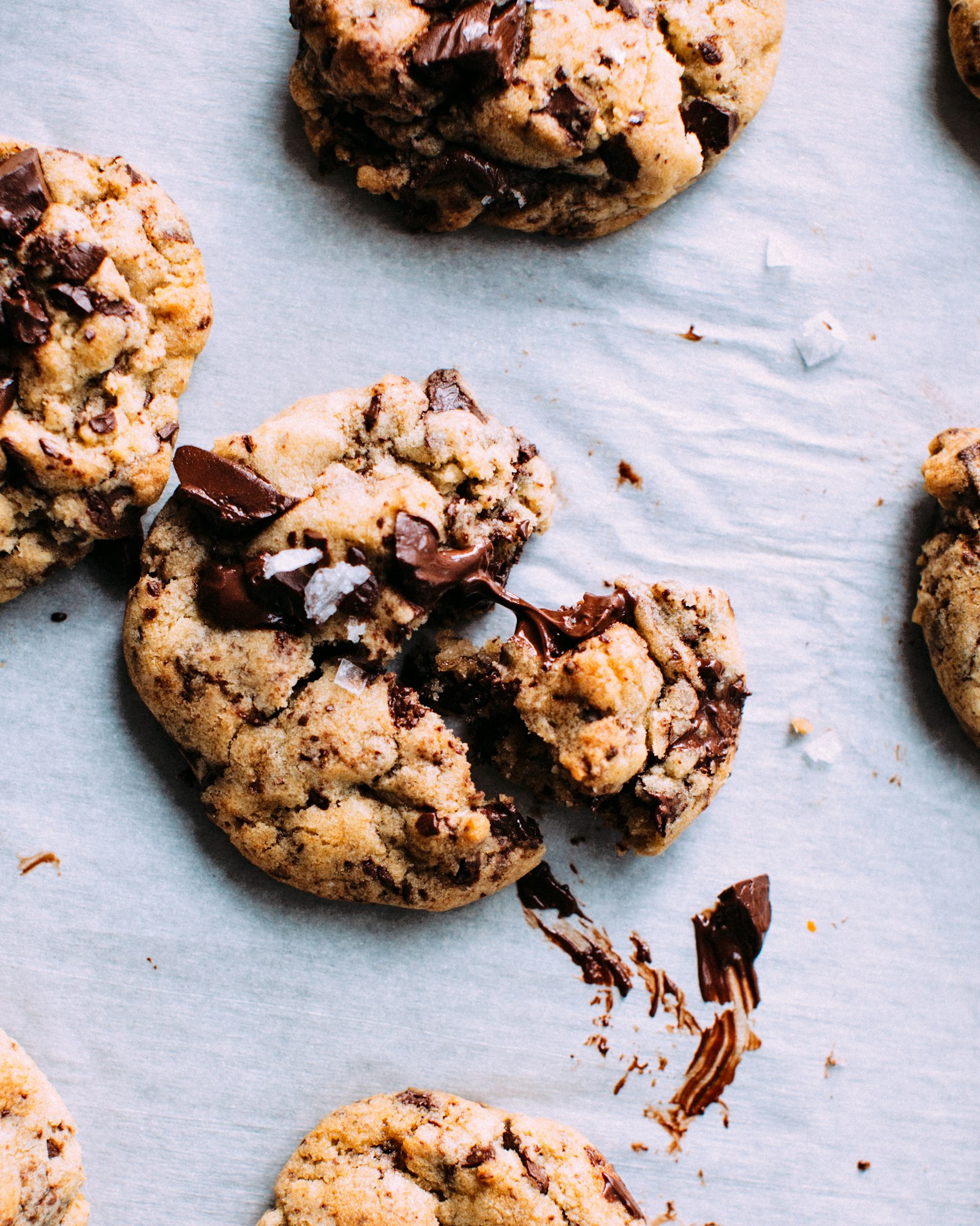
Macarons, tarts, cookies and brownies sit in the same conversation because people look for them together, even though the methods disagree. A macaron shell is almond, sugar and egg white, dried briefly, baked until a foot appears, then sandwiched with ganache or curd. A tart is a crisp sweet pastry holding a smooth filling and, often, fruit arranged so the colors read from above. A cookie is a small dough, from a sandy shortbread to a thick chocolate chunk cookie with a soft middle. A brownie is a chocolate batter in a pan, cut into squares, fudgy or cakey depending on the balance of fat and flour. Cupcakes are small cakes in their own papers, finished with frosting so each person has a whole dessert.
Decoration is easier to overdo than to underdo. Piping can lift a cake and give it a rhythm. A glaze can make chocolate look poured rather than spread. Fruit can be the color and the flavor at once. A bare side on a layer cake shows the stripes of sponge and filling, which is a decoration of its own. The useful test is whether you still want to eat the decoration. If a piece is only there to be admired and then pushed aside, it is probably in the way.
Color behaves like a flavor even before you taste. Deep brown reads as cocoa. Pale ivory reads as vanilla or white chocolate. Blush and berry red promise fruit. Too many colors at once can look busy on a cake that will be cut into ordinary slices. A birthday sometimes wants that busyness. A quiet afternoon usually wants less. Sweet Elegance writes about both, because both are part of how cakes are served.
Temperature is the last quiet detail. Buttercream softens in a warm room and stains a plate. Ganache holds longer. Whipped cream wilts. A cheesecake tastes better cool. A croissant tastes better the day it is baked, while the layers are still distinct. None of this requires a chart of minutes on this website. It is enough to notice that a dessert has a moment when it is at its best, and that moment is part of the pleasure.
This home page is the front door. The cards point at styles. The timeline is a way of looking: crumb, finish, layers, the difference between doughs, and the moment of serving. The questions near the bottom answer what the pages are for. From here, Our Cakes is the shorter cake essay, and the Cake Collection opens the same ideas one panel at a time. Pastries stays with doughs and small sweets. Desserts lets you search.
Patisserie Art talks about heat, chocolate, flavor pairs and the plate. Baking Inspiration is for anyone who bakes at home and wants to notice technique without being handed a formula from this site. Celebration Inspiration is about height, color and cakes meant for a group. Gallery is the photographs. Our Story and About explain the point of view. FAQ is the practical list.
Sweet Elegance can be reached at 637 Veerasamy Rd, #01-121, Singapore 200637, on +65 9323 9161, and at [email protected]. The form on this page opens an email draft to that address. Send the draft if you want the message to arrive. Write when a page leaves you with a question, and include a way to reply. The articles themselves are here to be read straight through.
People meet a dessert with their eyes, then with a spoon or their fingers, then with the memory of it. The look tells you the baker's intention: a gloss means chocolate was poured, a ruffle of piping means buttercream was finished while it could still hold a shape, a bare side means the layers were considered worth showing. The bite tells you whether that intention survived. A beautiful glaze over a dry crumb is a disappointment you can describe. A plain cake with a tender center is a pleasure you can also describe. Sweet Elegance is interested in both descriptions.
Sharing changes the dessert again. A whole cake becomes a set of slices, and the person who cuts it decides whether the pieces are fair. A box of macarons becomes a choice. A croissant is usually one person's, torn open so the layers show. The site talks about these social facts because they are part of why the styles exist. A cupcake is a solution to portion. A tart is a solution to fruit that needs a crisp frame. An éclair is a solution to cream that needs a handle.
If you bake, you will recognize the nervous minutes: the oven light, the first crack on a cheesecake, the color on the base of a tart. The pages about inspiration and patisserie art are written for that recognition. They do not replace a trusted method. They give you words for what you already see when a bake goes right or slightly wrong. If you do not bake, the same words help you enjoy what someone else made, which is a skill of its own.
Keep the contact details for when reading is not enough. Sweet Elegance, 637 Veerasamy Rd, #01-121, Singapore 200637. +65 9323 9161. [email protected]. The rest of the site is the long version of a simple invitation: look closely at cakes and pastries, and stay for the explanation.
Put four desserts in a row and the site's whole subject appears. A butter cake slice shows a fine crumb and a gentle sweetness, the kind of cake that makes sense with tea. A chocolate layer shows stripes and a deeper finish, the kind of cake that makes sense when the occasion wants drama as well as flavor. A lemon tart shows a crisp line under a sharp, smooth filling. A croissant shows shatter and butter and almost no sugar at all. None of these cancels the others. A patisserie is interesting because it can hold all four ideas in one day.
Sweet Elegance writes toward that range. The cake pages linger on crumb and height. The pastry pages linger on dough and shells. The art page lingers on heat and balance. The gallery lets you look. You can treat the site as a single long essay or as a shelf you pull one book from. Both readings are intended. The address, when you want it, remains 637 Veerasamy Rd, #01-121, Singapore 200637, with +65 9323 9161 and [email protected].