Approach
Clarity
Plain explanations of dessert styles, without invented ingredients or secret recipes.
How Sweet Elegance approaches cakes, pastries and the culture of sweet things.
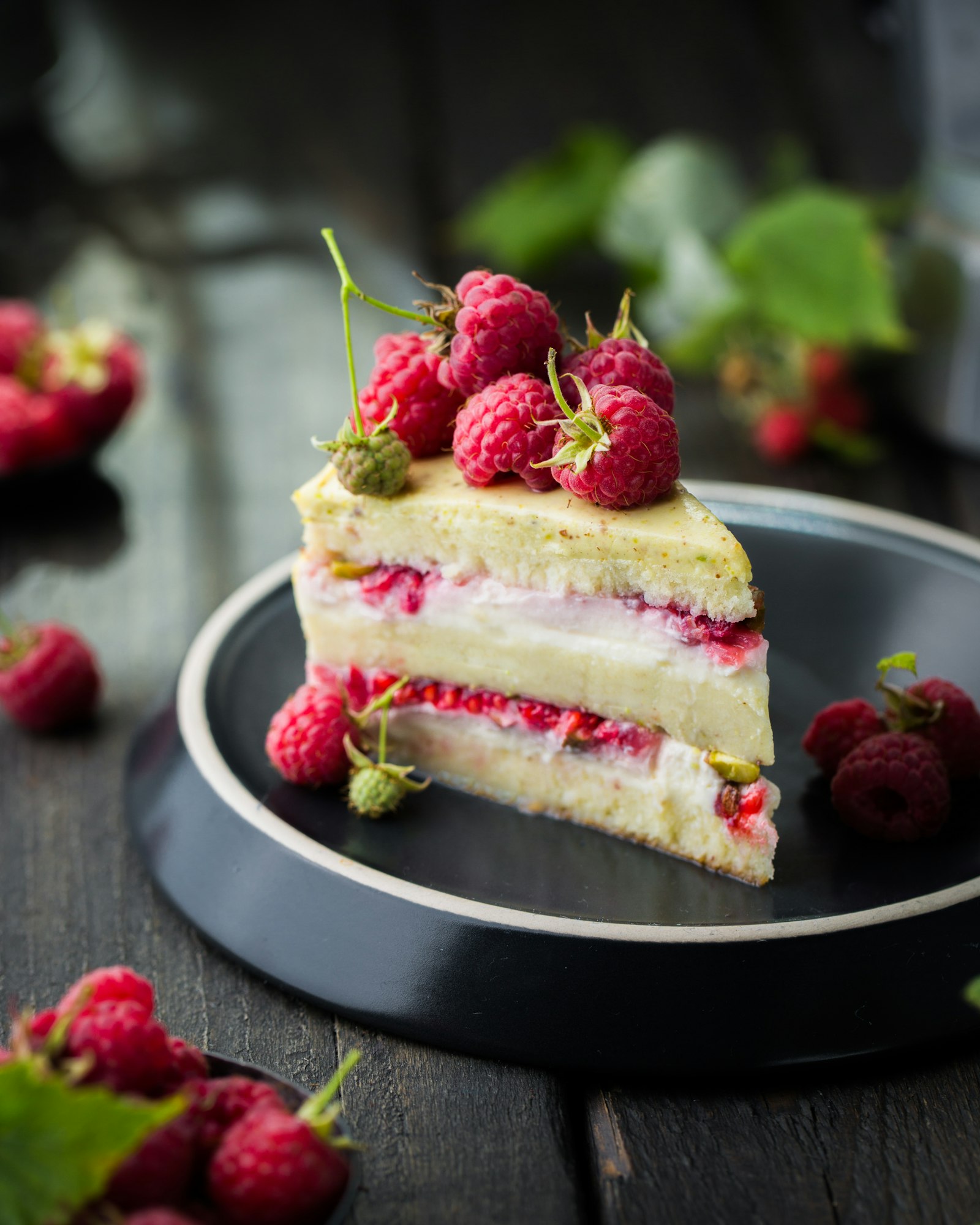
Sweet Elegance began as a wish to talk about desserts with the same attention people give to their appearance. A cake can be a centerpiece, but it is also a set of choices: crumb, filling, sweetness, height and the way it is cut.
This page does not give a founding date or a biography of an owner. Those facts have not been supplied. The published premises are 637 Veerasamy Rd, #01-121, Singapore 200637, with phone +65 9323 9161 and email [email protected]. The story here is about the point of view: patisserie as a craft worth explaining in everyday language.
Good dessert writing should help someone see what is in front of them. It should name the difference between a choux pastry and a tart, between a baked cheesecake and a sponge layer cake, and between decoration that clarifies a cake and decoration that hides it.
The philosophy is simple. Describe what is generally true. Leave out what has not been confirmed. Invite curiosity rather than a purchase.
Approach
Plain explanations of dessert styles, without invented ingredients or secret recipes.
Approach
Soft color, space around photographs and language that does not oversell.
Approach
Desserts belong to shared tables. The tone stays welcoming, not distant.
There is no published history of a particular shop floor, no staff portraits and no list of suppliers. Celebration pages talk about inspiration for birthdays and gatherings. They do not offer wedding-cake sales, tastings or custom decoration as a service.
If those facts are later confirmed by the owner, the site can be updated. Until then, the honest story is the one on these pages.
Continue with Patisserie Art or return to About Sweet Elegance.
Sweet Elegance can be found at 637 Veerasamy Rd, #01-121, Singapore 200637. The phone is +65 9323 9161 and the email is [email protected]. The story on this page is still not a founding myth. There is no year of opening, no portrait of an owner and no list of awards, because those things have not been given to the site to publish.
What the site will say is simpler. A patisserie is a place where dough, cream, fruit and chocolate are handled with care, and a website about that work should sound like it. The articles prefer a precise noun, such as ganache, choux or shortcrust, over a boast. They also prefer silence where a fact is missing. Hours of opening are one of those silences. Ask before you visit.
A shop's own recipes, suppliers and daily selection change, and they are easy to get wrong from a distance. The notes on this website describe styles people already recognize: a chocolate layer cake, a baked cheesecake, a croissant, a macaron. Describing the style is useful even when the counter that day is different from the photograph.
If you want the longer reading, move from this page to Patisserie Art and then to Baking Inspiration. If you want to ask something the articles do not cover, the contact page shows the same address, phone and email, and it can open a draft to the mailbox. Sending the draft is what delivers the message.
The story of Sweet Elegance is a way of paying attention. A cake is cut and the inside appears: even or coarse, damp or dry, filled generously or barely. A pastry is broken and the layers either separate or they do not. A glaze either lies smooth or it shows the path of the spoon. Those moments are small, and they are the entire subject. The site exists so those moments have language around them.
Clarity comes first. If a dessert is a cheesecake, say that the filling is cheese and the base is a crust, and say whether the usual path is a slow bake or a chill. If a dessert is an éclair, say choux, cream and a topping. Readers can enjoy a sweet without a lecture, and they can also enjoy knowing what they are looking at. The writing tries to offer the second without spoiling the first.
Restraint is the editing. A paragraph that names every possible filling is less useful than a paragraph that names the pattern: a shell, a cream, a finish. Warmth is the reason any of it matters. Desserts are shared. They mark Tuesdays as well as birthdays. A site about them should sound like a host, not like a catalogue trying to hurry you.
Our Cakes holds the large desserts, the ones you slice. Pastries holds the ones built from dough, plus the small cakes people group with them. The Cake Collection opens the cake notes in panels so you can read one style deeply and leave the others closed. Desserts is the searchable room. Sweet Creations is the table you can scan. None of these pages is trying to be the others. Together they let you enter from a question, a picture or a mood.
Patisserie Art and Baking Inspiration are the workshop notes. One is about judgment: heat, balance, chocolate, the plate. The other is about the habits that keep a home bake from going wrong early, such as reading the method before you start and letting a cake cool before you cover it. Celebration Inspiration is the social chapter, about cakes that have to cross a room and then be cut for a group.
The gallery is the looking room. The FAQ is the door you open when you want a short answer. Contact is the human door: 637 Veerasamy Rd, #01-121, Singapore 200637, +65 9323 9161, [email protected]. The story on this page is why those rooms were arranged this way. The rooms themselves are the rest of the visit.
Each new paragraph on the site has to earn its place. It should tell you how a texture behaves, how a finish changes a flavor, or where to read next. It should be specific enough that two desserts do not blur into one sweet cloud. Chocolate cake and cheesecake are both rich. They are not the same richness. A croissant and a cookie are both baked dough. The butter is doing different work.
That standard is the ongoing story. Sweet Elegance grows by explaining another distinction carefully, not by adding noise. When you finish this page, the natural next step is Patisserie Art if you want the craft, or About if you want the map of the site again. Either way you are still in the same house style: plain words, real details, and a way to write or call when the page is not the right place for the question.