Pastries

A guide to pastry styles, from laminated doughs and choux to tarts, cookies and small cakes.
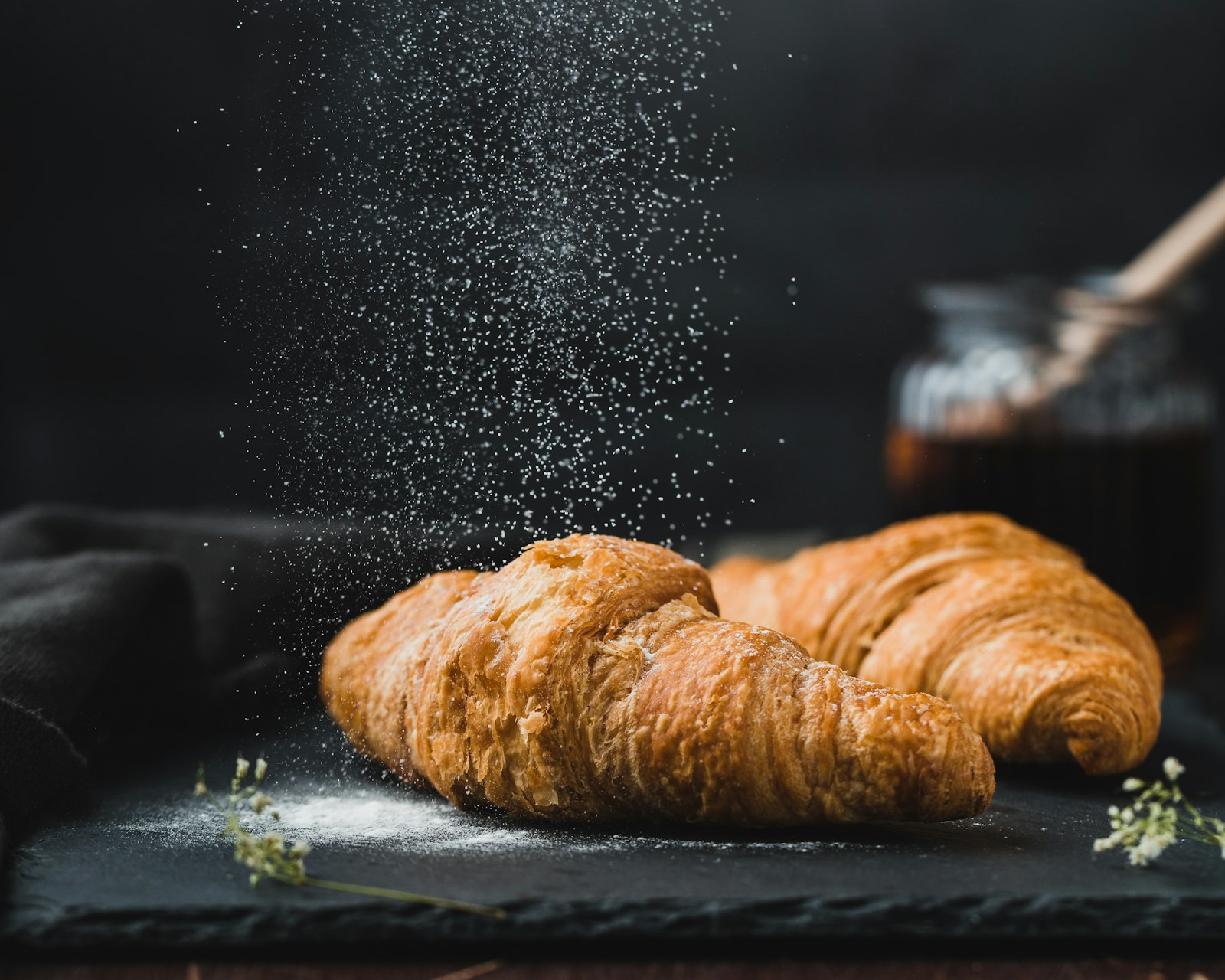
Two golden croissants dusted with sugar.
Croissants, a familiar laminated pastry.

Croissants and laminated pastry

A croissant is built by folding butter into dough again and again, then rolling and folding until thin layers form. In the oven the water in the butter turns to steam and the layers separate. The result is a pastry that shatters slightly when you break it and tastes of toasted butter.

Related shapes, such as pain au chocolat, use the same idea with a filling. The craft is in the layers, the chill of the dough and the bake, not in a single secret ingredient.

Macarons

Macarons are delicate French-inspired sandwich cookies recognized for their colorful shells and soft fillings. The shells are made from almond meal, sugar and egg white, piped into rounds and baked until they develop a smooth top and a small ruffled edge.
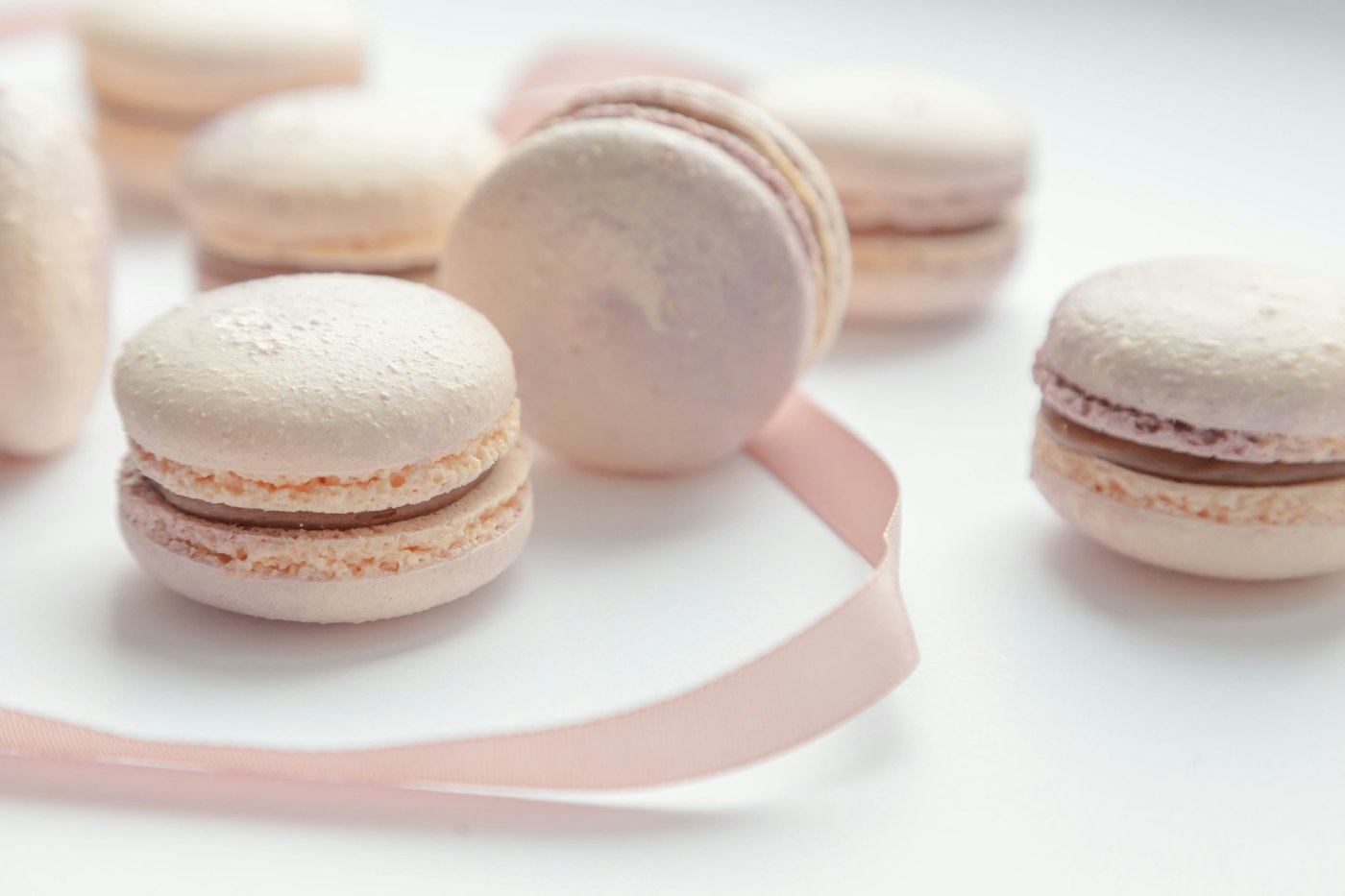
Pale pink macarons arranged on a white surface.
Macarons in soft colors.

Fillings range from ganache to fruit curd to buttercream. Color is usually added to the shell. A good macaron is not only pretty: the shell should give way, and the filling should not overwhelm it.

Éclairs

An éclair is a classic pastry made with choux dough and traditionally filled with cream. Choux is cooked on the stove before it is baked, which is why the dough behaves differently from shortcrust. In the oven it puffs and leaves a hollow center that can hold a filling.

The classic finish is a smooth chocolate or fondant topping. Other finishes exist, but the defining features remain the oblong shape, the light shell and the cream inside. This page explains the style. It does not show a house éclair or a price.

Tarts

A fruit tart is a pastry dessert featuring a crisp base, a smooth filling and a decorative fruit topping. The base is often a sweet shortcrust. The filling may be pastry cream, frangipane or curd. Fruit is arranged so the colors read clearly from above.
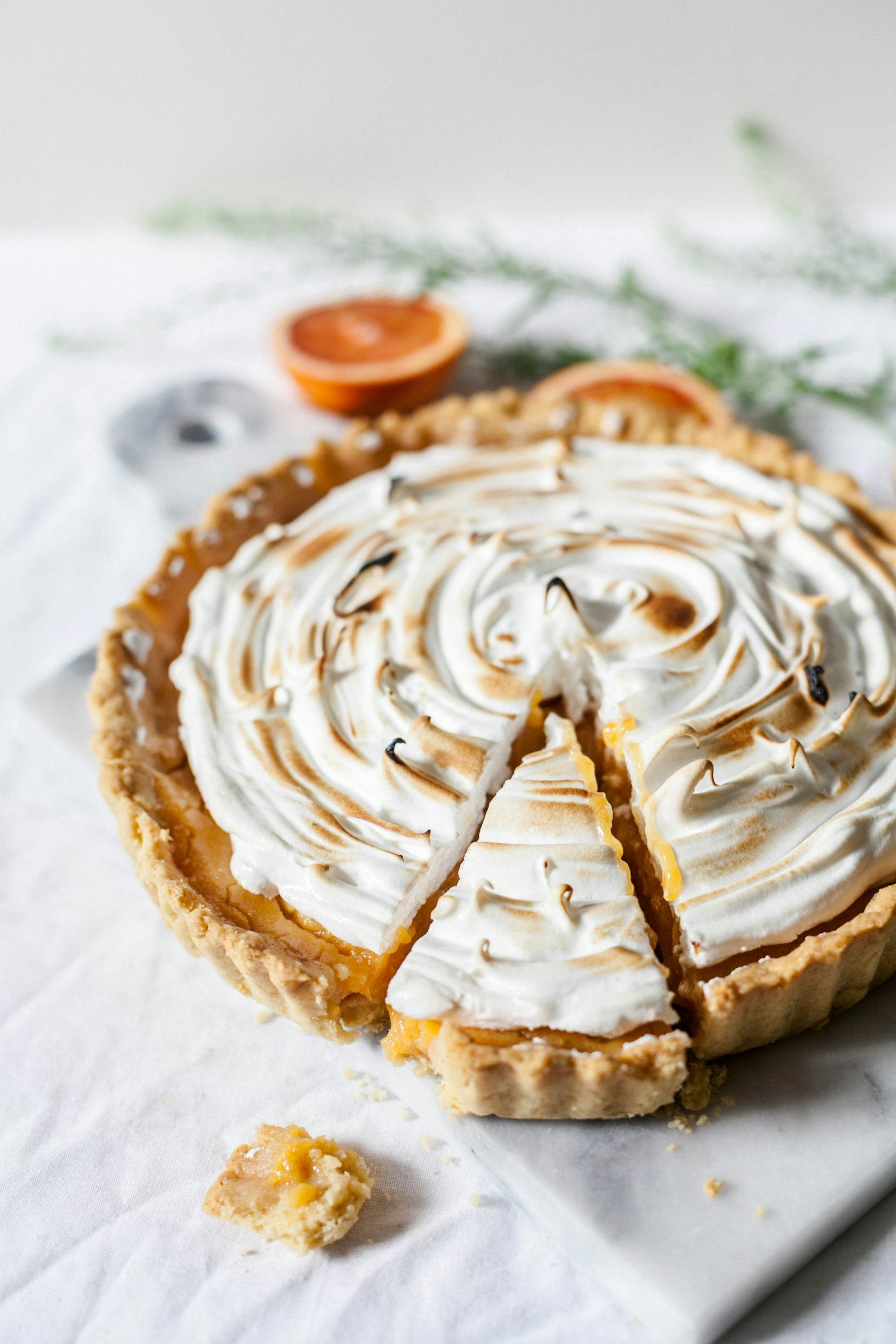
Citrus tart finished with toasted meringue.
Citrus tart with a toasted meringue top.

A lemon or citrus tart may skip fresh fruit on top and use curd with meringue or a glaze instead. In every case, the shell should stay crisp beside the softer filling for as long as it reasonably can.

Cupcakes

A cupcake is a small individual cake often finished with frosting or decorative toppings. It uses a cake batter baked in a small mold, so the crumb is closer to cake than to pastry. Frosting, crumbs, fruit or a simple glaze are common finishes.
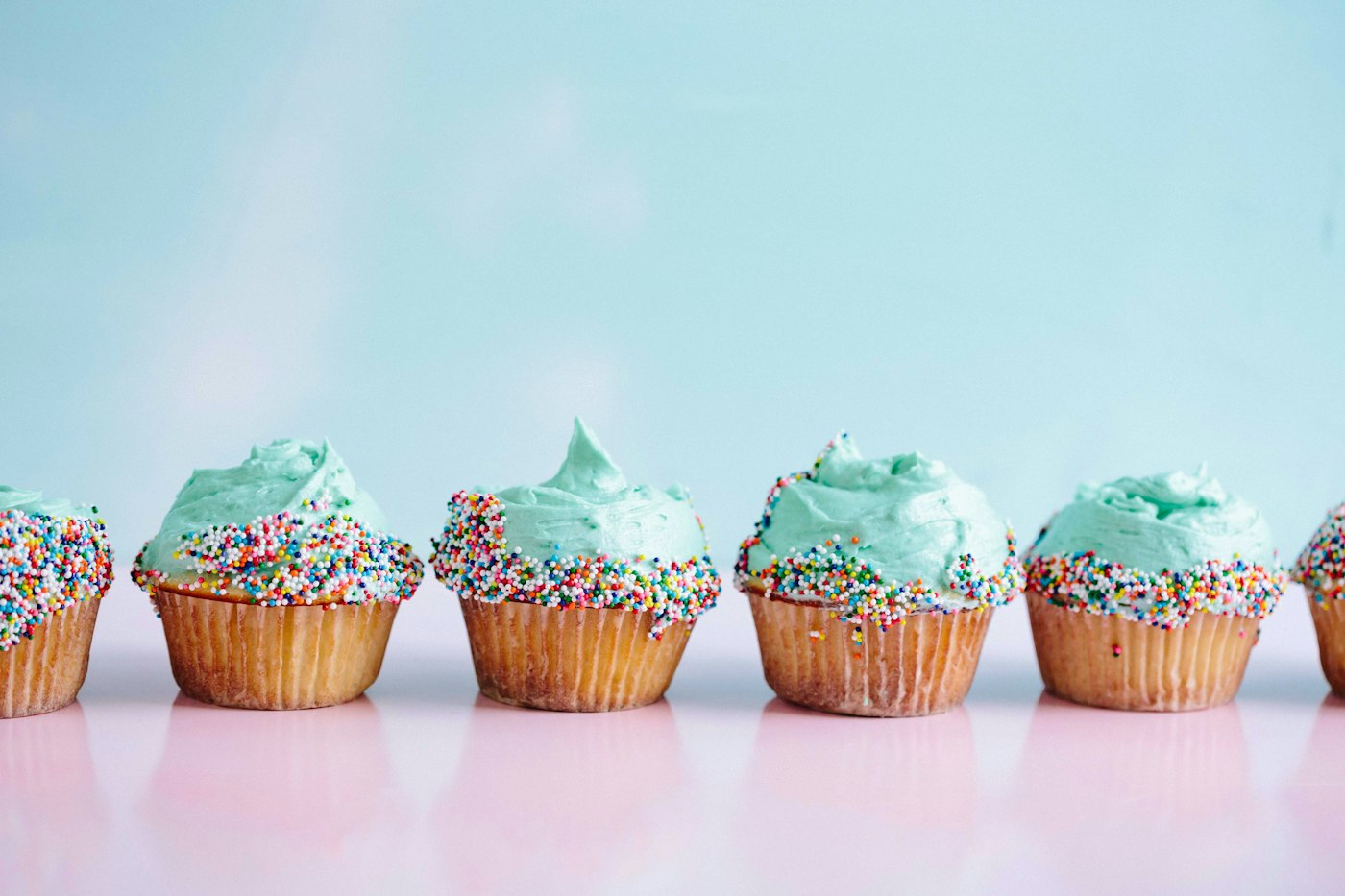
Decorated cupcakes displayed in a row on a table.
Cupcakes with pastel frosting.

Because each piece is already portioned, cupcakes suit a table where guests choose their own. They are described here as a style, not as an item you can order on this website.

Cookies

Cookies are small baked sweets made from a dough rather than a pourable cake batter. Chocolate chunk cookies are loved for a contrast between a set edge and a softer middle. Shortbread is richer in butter and more tender. Biscuit styles vary widely by tradition.
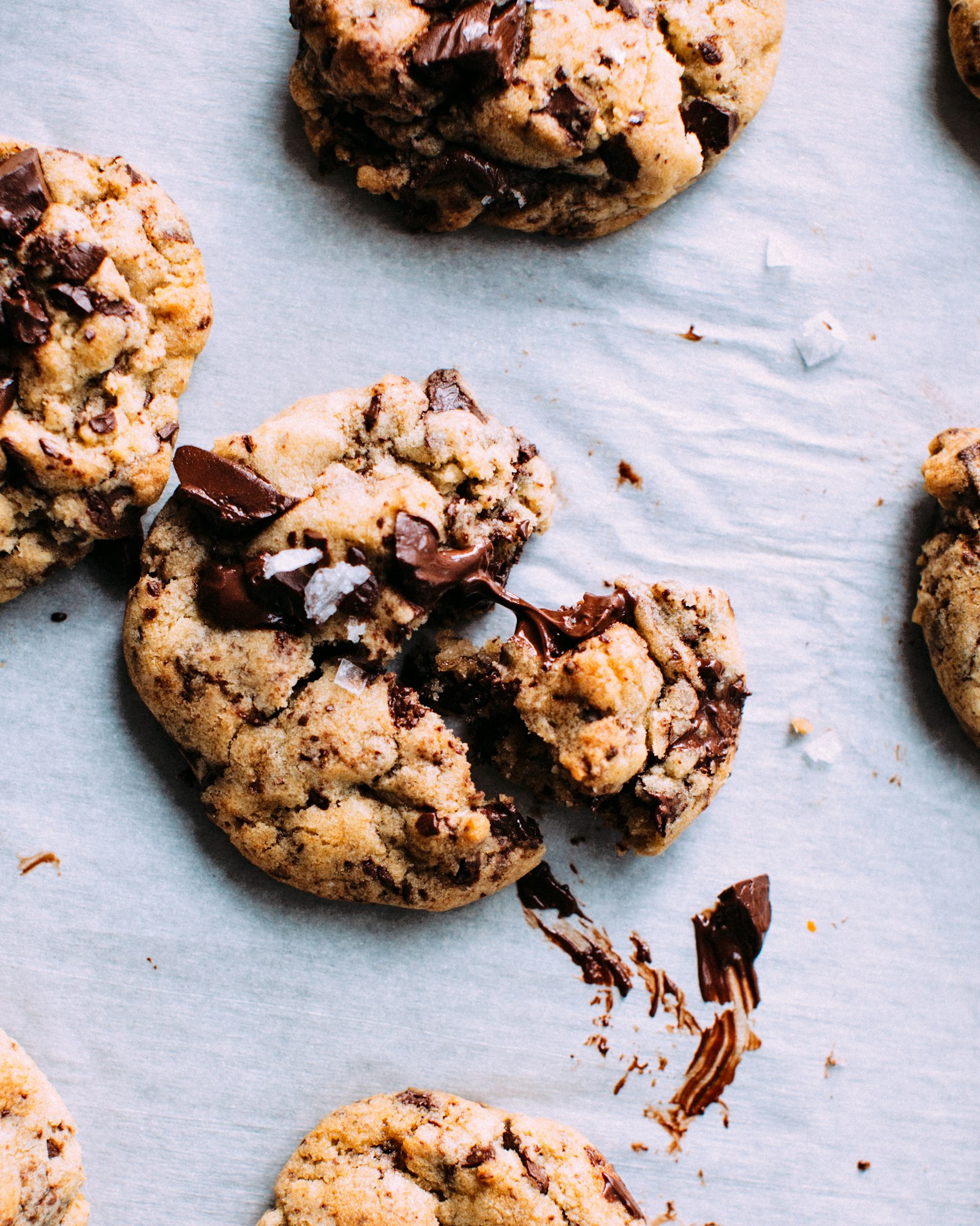
Chocolate chunk cookies on baking paper.
Chocolate chunk cookies.

Brownies

A brownie sits between cake and cookie: a chocolate batter baked in a pan and cut into squares. A fudgy brownie stays dense. A cakier brownie rises more. Both are chocolate desserts first, and both are often served plain or with a scoop of something cold beside them.
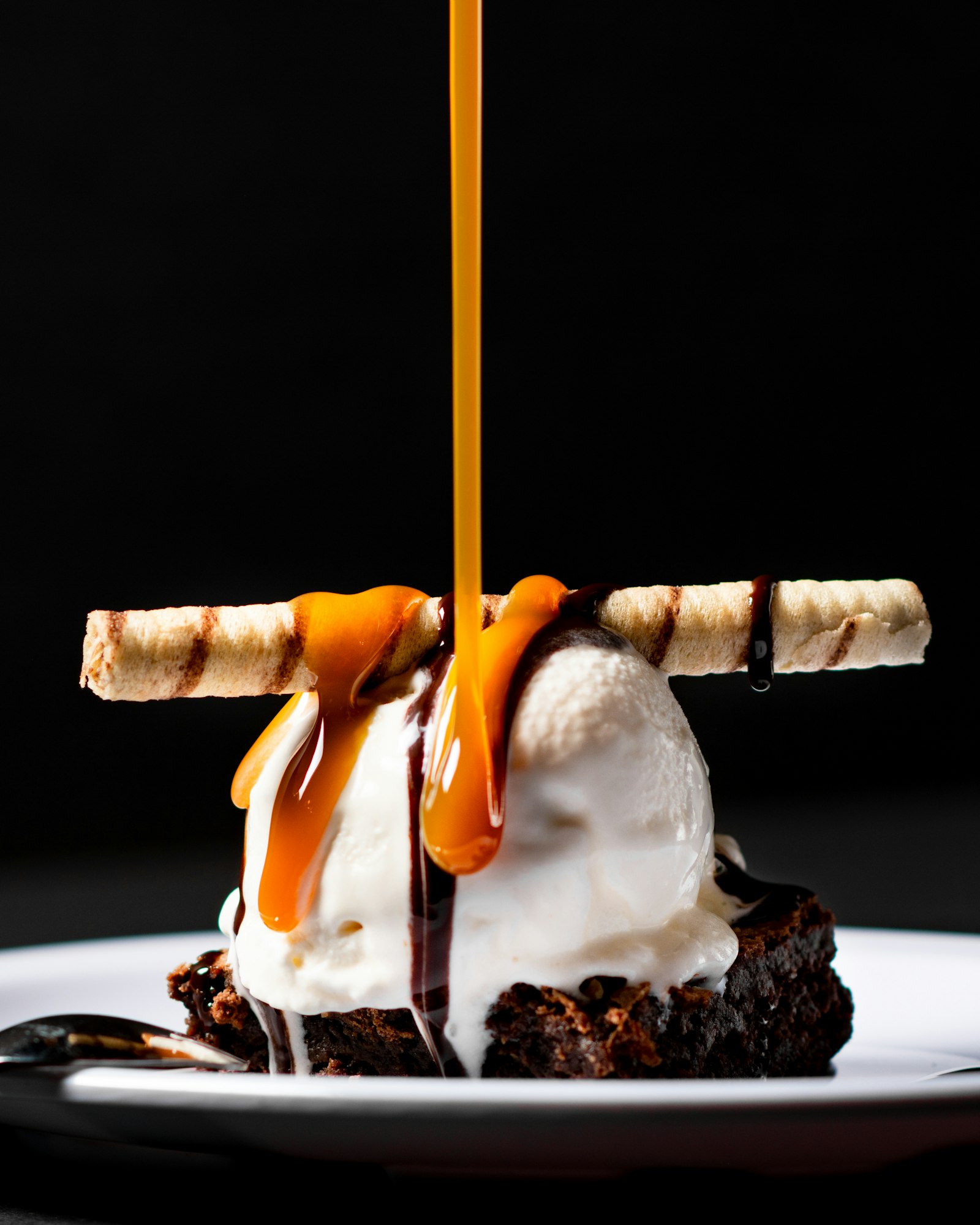
Chocolate brownie dessert with cream and caramel on a plate.
Chocolate brownie dessert.

For a wider view of chocolate and fruit sweets, see Sweet Creations. For the ideas behind the craft, see Patisserie Art.

Pastry, in plain language

Pastry is a family of doughs more than a single recipe. Laminated dough is folded with butter until it becomes a croissant. Choux is cooked before it is baked, then puffs into a shell that can hold cream, which is the éclair's path. Shortcrust is mixed for a crisp base, which is why tarts can carry fruit and cream without collapsing. Cookies and brownies sit nearby: one is a small baked dough, the other a chocolate batter cut into squares. Cupcakes borrow from cake rather than from pastry, and they are on this page because people look for them in the same breath.

The skill in each case is different. A croissant fails if the butter melts into the dough before the oven. An éclair fails if the shell is wet or the filling has nowhere to sit. A tart fails if the base goes soft under a wet filling. A macaron is judged on the shell, the foot and the filling in equal measure. These are general signs. They are not a recipe card from Sweet Elegance, and they are not a promise that each of these pastries is for sale on a given morning.

The photographs show layers, shells, fruit, frosting and a brownie on a plate. If you want to speak to the patisserie rather than read further, call +65 9323 9161 or email [email protected].

If you are choosing what to read next, pair this page with Patisserie Art for the ideas behind heat, finish and flavor, or with Sweet Creations for a short table of the same styles. The longer you stay with the descriptions, the clearer the limit becomes: this is a guide to how pastries are understood, written for Sweet Elegance in Singapore, not a tray you can purchase through the browser.

Laminated dough, from fold to flake

A croissant starts as a dough and a block of butter that are about the same firmness. If the butter is much harder, it shatters into pieces. If it is softer, it smears. The packet is rolled and folded, rested cold, and folded again. Each fold multiplies the layers. By the time the dough is shaped, butter and dough are thin enough that steam can push them apart in the oven. The baked edge looks like a sheaf of paper and tastes of toasted butter. That sheaf is the whole point. A pale, bready interior means the layers merged.

The same dough becomes other shapes. A rectangle wrapped around chocolate is pain au chocolat. A coil with almond cream is a different pastry with the same heart. Sugar sprinkled on the surface caramelizes and adds a brittle note. What does not change is the discipline of cold. Warm hands, a warm kitchen or a rush between folds will undo the work. The oven then has to be hot enough to set the outside before the butter runs out.

Choux, shells and éclairs

Choux looks unlike other pastry because it is cooked twice, first in a pan and then in the oven. Water, butter and flour form a paste. Eggs loosen it until it is pipeable and still sturdy. Piped in a line, it becomes an éclair. Piped in a round, it becomes a puff. The oven puff is steam expanding inside a paste that has enough structure to hold a bubble. If the oven door opens early, the bubble can fall. If the shell is underbaked, the inside stays wet and the cream makes it soggy at once.

Filling is the second act. Pastry cream is the classic, flavored with vanilla, chocolate or coffee. A lighter whipped cream is gentler and less stable. The topping is traditionally a smooth chocolate glaze or a fondant that sets with a slight shine. The éclair should taste of all three parts in one bite: a little shell, a cool cream, a thin sweet surface. Too much topping and the pastry disappears. Too little and the cream tastes unfinished.

Macarons, tarts and the small bakes

A macaron shell is a meringue folded with almond meal and sugar until the batter flows in a ribbon and settles into a smooth disc. The discs rest until a skin forms, then bake. A foot, the little ruffle at the base, is the sign that the shell rose. After baking, the shells are filled and left to soften slightly so the bite is not a hard cookie around a stiff cream. Color is mixed into the shell. Flavor usually lives in the filling: ganache, jam, citrus curd, a nut buttercream.

A tart is architecture. Sweet shortcrust is mixed, rested, rolled, fitted to a tin and baked until it is dry and golden, often before the filling goes in. Pastry cream, frangipane or lemon curd then has a crisp place to sit. Fruit is arranged while it still looks fresh. A citrus tart may skip the fruit and finish with meringue toasted at the surface, or with a clear glaze. The shell's job is to stay audible when a fork breaks it.

Cookies range from sandy shortbread, almost all butter and a tender crumble, to thick cookies with a set edge and a soft center. Brownies cross toward cake: more chocolate, a batter rather than a stiff dough, baked in a slab and cut. A fudgy brownie shines and bends. A cakey brownie rises and crumbs. Cupcakes return to cake batter in a small mold, and the frosting is half the dessert. They suit a table where everyone takes one and the decoration can be repeated without cutting a large cake.

Choosing what to read next

If the dough interested you, Patisserie Art talks about heat and chocolate with the same care. If you want the cake family beside these pastries, go to Our Cakes. The gallery shows many of these shapes in photographs. Sweet Elegance is at 637 Veerasamy Rd, #01-121, Singapore 200637, and you can call +65 9323 9161 or email [email protected].

Small differences that change the bite

Two croissants from the same idea can taste far apart. One shatters and smells of brown butter. Another is soft and tastes mostly of dough. The difference is layers, heat and freshness, not a secret ingredient. Two éclairs can diverge the same way. A dry shell and a cold cream feel light. A damp shell feels heavy even if the cream was good. Two macarons diverge at the shell: one cracks sweetly and gives way to a soft filling, another is hard all the way through because it was overbaked or filled too recently to soften. Learning to notice these differences is the pleasure this page is offering.

Tarts teach the same lesson at the base. Break a corner. If it flakes and tastes of butter, the crust did its work. If it bends and tastes of raw flour, it was underbaked or soaked. Fruit on top should look alive. A dull, weeping fruit surface means the tart has been waiting. Cookies and brownies are more forgiving, which is why they anchor so many home tins, and they still have a better hour: cookies soon after baking, brownies after they have cooled enough to cut cleanly.