Our Cakes
Explore the delightful world of cakes at Sweet Elegance, from timeless dessert classics to beautifully decorated creations that celebrate the art of patisserie.
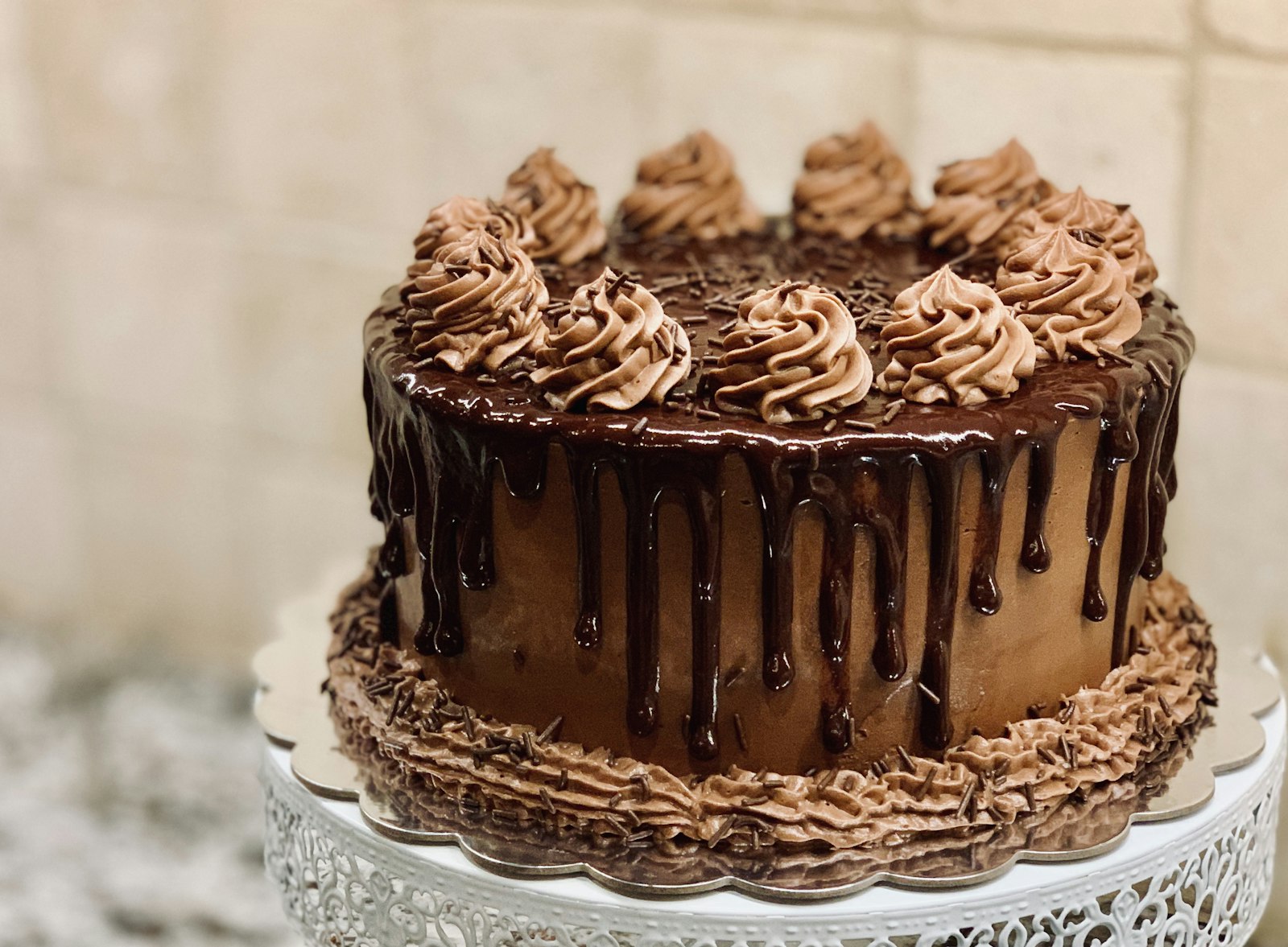
Classic cakes
Classic cakes are the styles people recognize before they know the recipe: a butter cake with a soft crumb, a sponge that feels light, a loaf that slices cleanly. What they share is a batter built to be eaten as cake, not as a pastry shell.
Flavor in a classic cake often comes from vanilla, citrus zest, warm spice or cocoa, kept in balance so the crumb still tastes like itself. Frosting is optional. Some classics are finished only with sugar or a thin glaze, which lets the bake stay in front.
On this site, "classic" is a way of looking, not a branded product. The Cake Collection continues the same idea in a longer sequence.
Chocolate cakes
A chocolate cake is a classic dessert known for its rich chocolate flavor and soft, indulgent texture. Cocoa or melted chocolate can be folded into the batter, brushed on as a soak, or poured over the cake as ganache.
Darker chocolate tastes less sweet and a little bitter. Milk chocolate tastes softer. A glossy drip, piped rosettes or a simple dusting of cocoa are common finishes, and each changes how the slice looks before it is tasted.
Cheesecakes
A cheesecake is a creamy dessert traditionally prepared with a smooth cheese-based filling and a delicate crust. The filling is closer to a custard than to a sponge. Some versions are baked in a water bath so the surface stays even. Others are chilled until the filling sets.
Fruit, chocolate or a plain top are all familiar. The crust may be a crumb base or a thin pastry. Because the texture is dense, a small slice is often enough. Sweet Elegance does not publish a specific cheesecake recipe or a claim about particular ingredients.
Layer cakes
A layer cake stacks two or more cakes with filling between them. The filling might be cream, curd, jam or buttercream. The outside can be fully covered, left partly bare in a "naked" style, or finished with a thin coat that still shows the crumb.
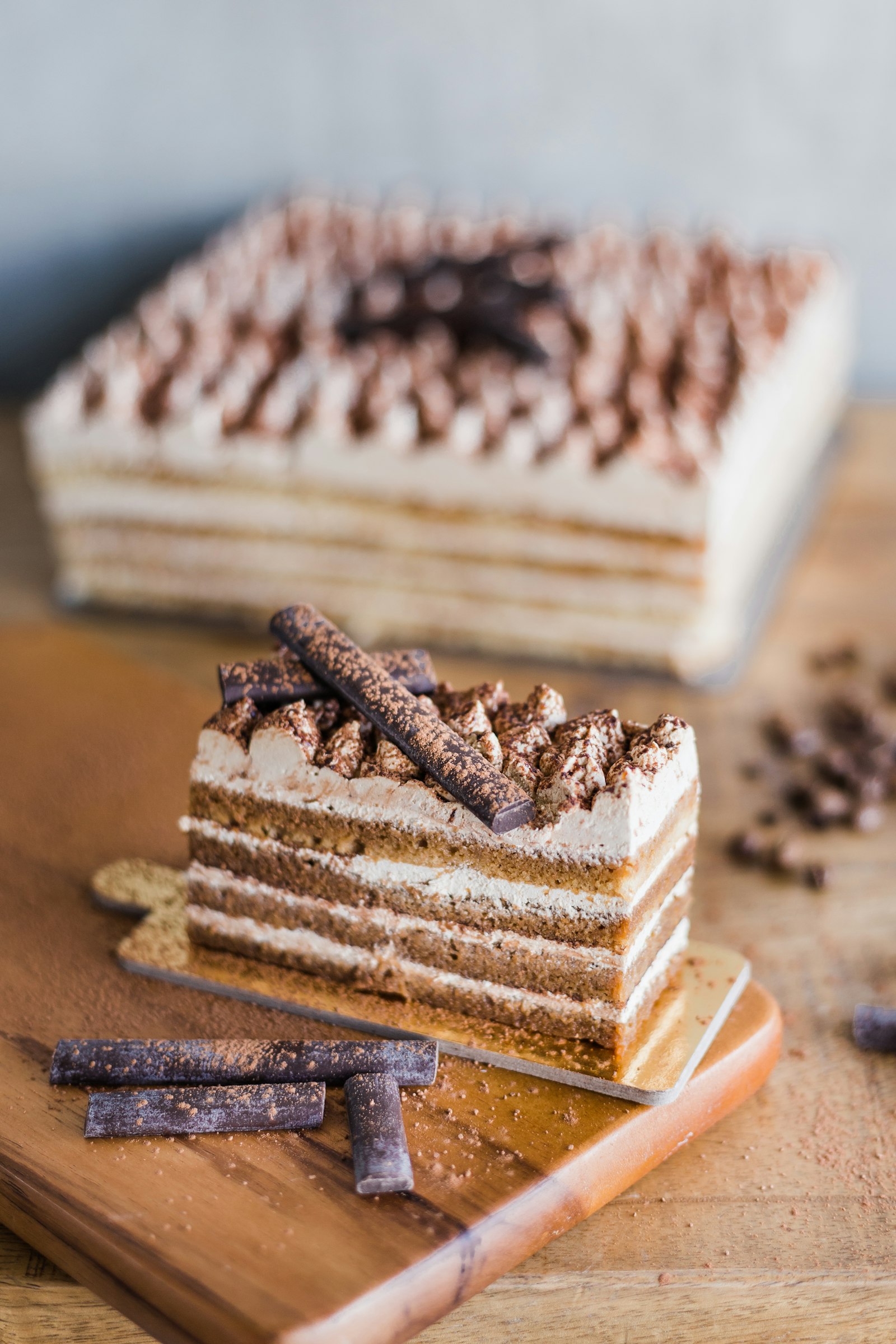
What matters is proportion. If the filling is much thicker than the cake, the slice can slide. If the cake is dry, the filling has to do too much work. A successful layer cake tastes like one dessert, not three separate parts.
Fruit cakes
"Fruit cake" can mean two different traditions. One is a dense cake studded with dried fruit and often associated with holidays. The other is a lighter cake finished with fresh fruit, cream or a glaze. Both belong in a conversation about cakes, and they should not be confused.
Fresh fruit brings acidity and color. It also has a short life once it is cut, which is why fruit-topped cakes are usually enjoyed soon after they are assembled. The site does not state a season or a supplier for any fruit.
Celebration inspiration
Birthday cakes and other celebration cakes are often taller, more colorful or more carefully lettered than an everyday cake. Stars, soft colors, fresh flowers used only as decoration, or a simple message are common visual ideas.
Read Celebration Inspiration for a closer look at birthday and gathering cakes.
Cake decoration
Decoration is the last layer of craft: piping, glaze, fruit, chocolate shards, a few edible flowers, or almost nothing at all. The best decoration usually echoes a flavor already in the cake. A citrus cake can carry candied peel. A chocolate cake can carry cocoa. A pale cake can carry berries.
Sweet Elegance treats decoration as part of patisserie art, not as a promise of a design service. For technique in broader terms, see Patisserie Art.